


 written by:
Storytelling through portraits
Storytelling Through Portraits
One of the most important aspects of portrait photography in advertising is its ability to tell a story. A strong ...

Aren Law Institute was established with the cooperation of a group of graduates and continues to this day with the aim of accepting lawyers.
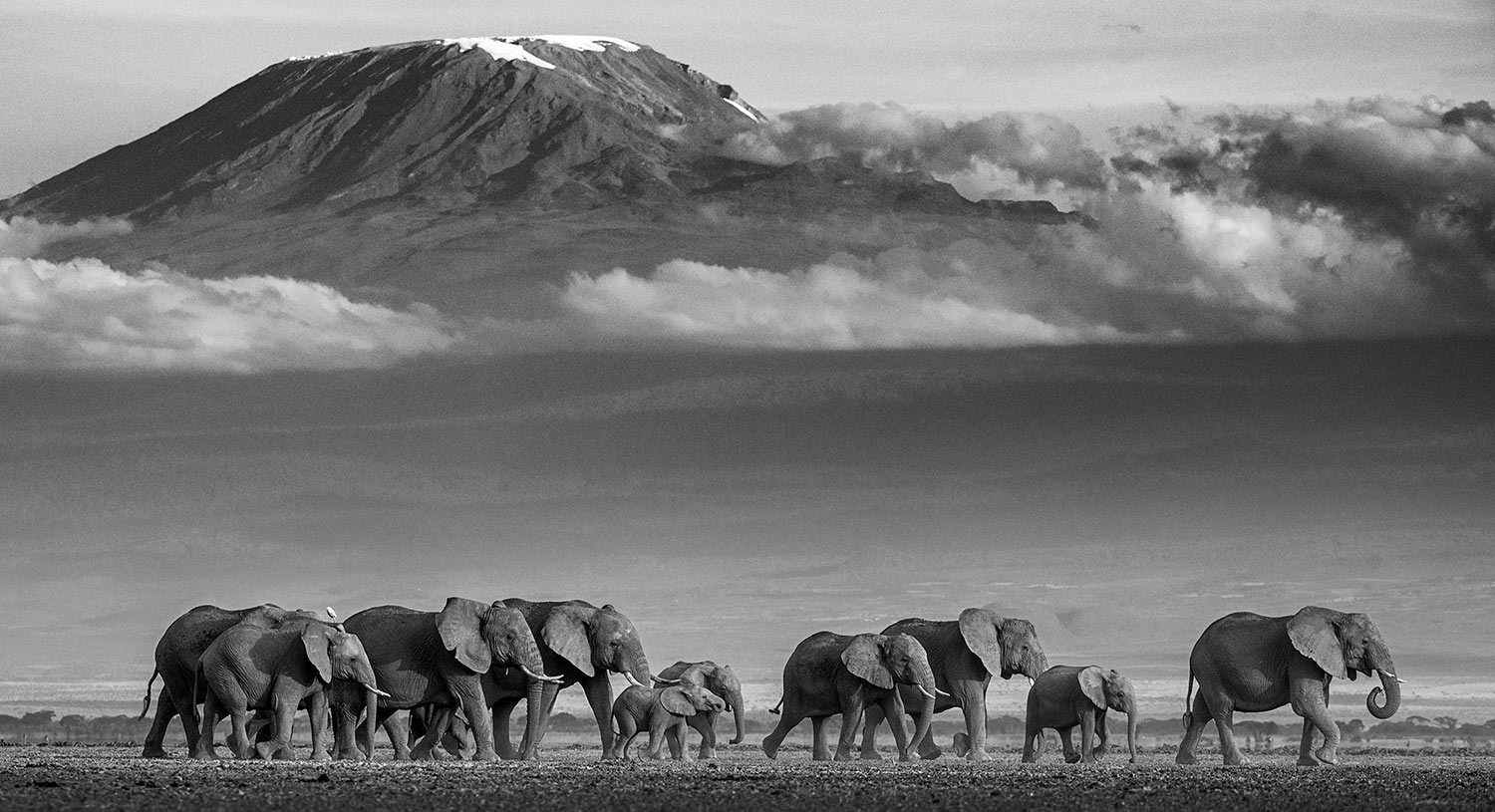
First, a definition of art and beauty should be presented, and then we can move on to photography, particularly fine art photography.
Initially, we will refer to the aesthetic perspective of Allameh Muhammad Taqi Jafari, who defines art as a concept that expresses the inner thoughts of the artist in relation to external factors (such as environment, time, place, social, political, and religious actions, etc.), as well as personal reactions. This expression takes the form of various mediums, such as painting, cinema, poetry, literature, and even photography, and is published and disseminated in places like exhibitions, stages, cinemas, television, and printed media. It leads humanity towards perfection, and if it fails to do so, it is merely a fleeting psychological event.
Furthermore, Allameh believes that beauty encompasses four important elements:
These four factors make an artistic work be recognized as beautiful
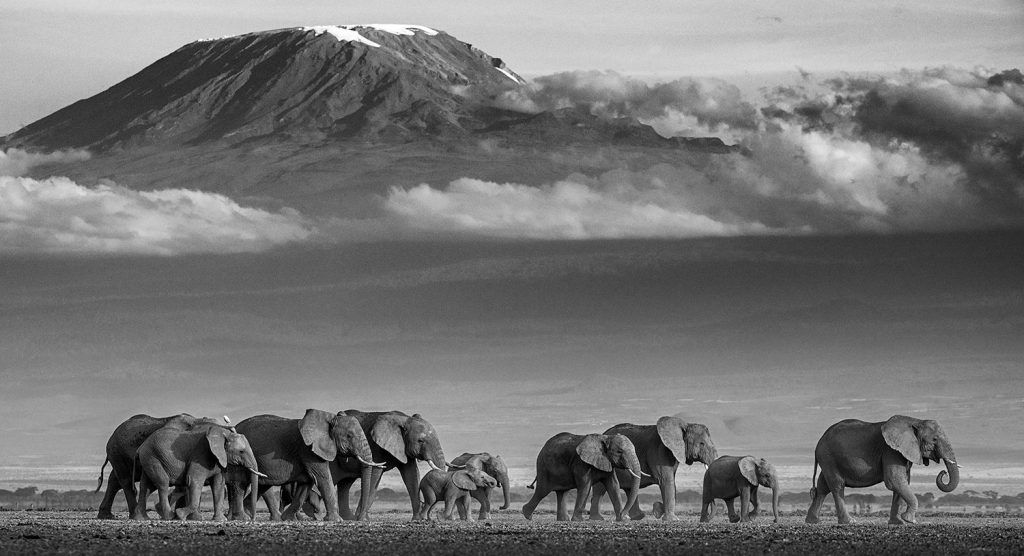
After defining art and beauty, we will proceed to define photography, especially fine art photography.
Initially, we will refer to the aesthetic perspective of Allameh Muhammad Taqi Jafari, who defines art as a concept that expresses the inner thoughts of the artist in relation to external factors (such as environment, time, place, social, political, and religious actions, etc.), as well as personal reactions. This expression takes the form of various mediums such as painting, cinema, poetry, literature, and even photography, which is published and disseminated in places like exhibitions, stages, cinemas, television, and printed media. It leads humanity towards perfection, and if it fails to do so, it is merely a fleeting psychological event.
Furthermore, Allameh believes that beauty encompasses four important elements:
These four factors make an artistic work be recognized as beautiful.
Now, let us proceed to define photography.
Photography is the act of recording objects, events, incidents, or anything that is captured by light and its reflection in a dark room (camera) onto an emulsion or a memory device (like a digital camera sensor), which carries a specific visual message (static, not moving!). It serves to establish a constructive connection in various directions (news, advertising, fashion, portrait, etc.).
Based on the above statements, we can say that art and the works of its creator must pass through certain filters or screens:
Certainly, many people have artistic talents, but if they do not go through these stages, their work will be condemned to oblivion or the destruction of thought, which applies to more than 80% of artists and geniuses.
Now, we can offer a definition of Fine Art Photography.
Fine art photography is a type of photography where the main goal is to express the creative views and artistic inspirations of the photographer, presenting a remarkable and extraordinary perspective. Fine art photography is distinguished from other categories of photography because, unlike news photography, its goal is not to document news but to convey an artistic message, and it does not require adherence to the ethical principles of journalism. Similarly, unlike commercial photography, it is not used for economic activities or to promote products or services.
In fact, based on the aforementioned definitions, art, beauty, and fine art photography serve to express a thought in the photographer’s mind, aiming to display a specific aesthetic state, entirely artistic, whether it is constructed or pre-existing. It is done through any technique related to photography. Fine art photography does not need the documentary precision without manipulation (as defined in news or documentary photography). Any form of manipulation, removal of details, or addition of elements using any tool is considered free and unrestrained, with the final photo presented as fine art photography.
Regarding AI in photography, limitations are imposed in its usage. In recent years, artificial intelligence has reached a point where software like Leonardo and similar programs can generate a perfect, believable image that aligns with real-world visual representations. The use of AI creates a fantasy, non-realistic world that is still less compatible with the essence of artistic creation. Fine art photographers do not allow AI to fully create and define their images.
Manipulation in Photography and Fine Art Photography
Photography is made up of three sections:
Practical Photography: This includes general photography (such as passport photos, lottery, insurance, events, etc.), scientific photography serving other fields, and in these cases, photography is secondary in importance.
Documentary Photography: This includes news photography, press, exploratory, nature, celebrity portraits, and others where photography serves as the narrator and documenter of an event or reality. In this type of photography, the photographer is not allowed to manipulate the image and must remain true to all elements of the photo, not adding or removing anything.
Fine Art Photography: This is the main subject of this article.
Fine art photography refers to any photograph where the photographer deliberately intervenes, making the resulting image depart from objective reality (the object) and transforming it into a new subjective (mental) identity, creating a new essence for the photograph.
The question here is: Does this photograph with its new nature fit within the domain of photography, or is it more akin to a work of art, like painting or illustration?
The answer is complex, but it can be summarized as follows. Let us look at the historical background of intervention in photographic works. When photography was invented, painters called it the “killer of painting,” and when cinema emerged, they said, “From now on, photography is dead.” Similarly, when television and the internet arrived, people claimed that cinema and theater would disappear. However, we saw that each of these mediums found its own path. Black-and-white photography did not disappear, nor did film photography (analog). When Instagram came, people claimed that exhibitions would cease to exist, but we saw they persisted.
Technological advancements are not meant to destroy older professions and phenomena but rather present them in a new, better, and even optimized form. All inventions and innovations aim to improve our understanding of the world and align with our hopeful, aspirational thinking. Even artificial intelligence, which raised alarms across creative fields, is not as dangerous as some feared. We will see that new jobs and opportunities will emerge, leading to positive and beneficial progress.
Photography and Art in the Postmodern Era
In the postmodern era (which began in the 1970s and continues today), the boundaries of art have been broken, and works of art are no longer confined to a single definition such as Dadaism or Cubism. It is in the collaboration and fusion of different art forms that styles in postmodernism emerge.
Therefore, manipulating a photo with a reasonable level of believability—through compelling edits, without revealing the edits or cutouts, or using surprising compositions—can have a place in contemporary thought. It must be noted that the glory of documentary photography and practical photography remains intact and continues to thrive in the related festivals and exhibitions.
Many photography enthusiasts and graduates possess creative photos on their hard drives, edited with various filters and Photoshop plugins, and may occasionally share them on their personal pages or Instagram. However, in recent years, no festival or exhibition has welcomed altered photos, and only a few creative photography festivals were held in the 1970s and 1980s.
Fine Art Photography outside Iran
In countries outside of Iran, fine art photography is recognized as an independent art genre alongside other types of photography, such as news, advertising, portrait, and nature photography. It is both exhibited and decorative, often holding a special place in art collections and performing well in major art expos and auctions. However, in Iran, it is sometimes viewed as a superficial, intellectual, and luxurious concept, far removed from practical or documentary photography, and is occasionally mocked in artistic and photographic circles.
It is as if fine art photographers are seen as indulging in frivolous and fantastical curiosities. In reality, fine art photography is no less creative or artistic than visual works such as painting or calligraphy.
Conclusion
In the opinion of the author, anything displayed as photography in an art exhibition—created by the photographer through the process of light capture, edited in any way, and reflecting a thought originating from the artist—should be considered art and subject to critique. Whether documentary, practical, or artistic, it remains art.


 written by:
 written by:
 written by: